
Training your dog for hiking starts long before the trail. A safe hiking dog needs reliable recall, leash control, physical conditioning, and the ability to ignore wildlife and other distractions. Building these skills first helps prevent injuries and creates safer, more enjoyable adventures.
Here’s what truly matters before hitting the trails:
- Reliable trail obedience: Instant recall, stops, and leash control under distraction
- Physical conditioning: Gradual endurance building to protect joints and paw pads
- Terrain awareness: Confidence on rocks, slopes, water, and uneven ground
- Mental focus: Staying engaged despite wildlife, noise, and movement
- Boundary training: Predictable positioning on narrow or crowded paths
If you want guidance beyond DIY prep, structured hikes and training walks through Boston Dog Walkers help reinforce these skills safely and consistently.
Trail training changes everything.
Understanding how each phase works builds confidence and safety, from a dog’s first hike to advanced terrain.
Why Dogs Need Training Before Hitting the Trails
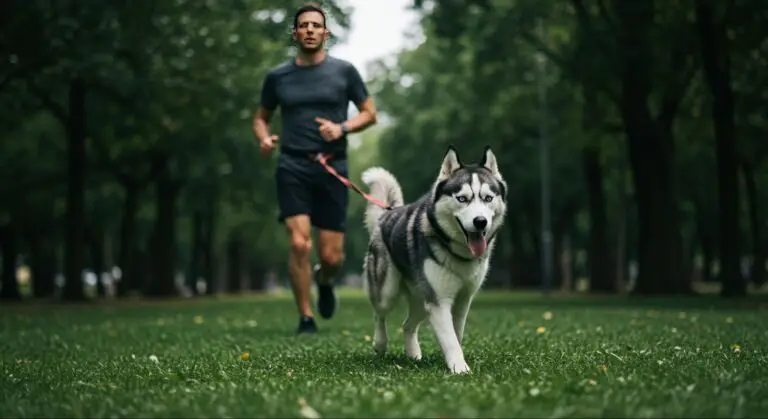
Hiking introduces dogs to environments far more unpredictable than daily walks. Uneven terrain, wildlife, weather shifts, and distance all amplify risk without preparation.
Trails Magnify Everyday Mistakes
On a sidewalk, a missed recall is inconvenient. On a trail, it can be dangerous. Wildlife distractions, steep drop-offs, and narrow paths leave no margin for hesitation.
Dogs that respond inconsistently to commands in familiar environments struggle even more under trail pressure.
Training builds reliability when consequences are higher.
Physical Conditioning Prevents Injury
Hiking stresses joints, muscles, and paw pads in ways flat walks don’t.
Without gradual conditioning, dogs risk strains, torn pads, or overheating early into a hike.
Training allows dogs to build endurance progressively, learning to pace themselves and recover properly instead of pushing past physical limits.
Mental Focus Keeps Dogs Safe
Trails overwhelm untrained dogs mentally. New scents, sounds, and movement can override basic obedience.
Training strengthens a dog’s ability to stay engaged with their handler despite stimulation.
Focused dogs make better decisions, respond faster, and avoid panic when situations change suddenly.
Emergency Control Requires Practice
Trail emergencies demand instant responses, not delayed reactions.
A dog that hasn’t practiced emergency recall, controlled stops, or leash discipline under distraction won’t suddenly perform when it matters most.
Training creates automatic responses that hold up during real stress.
Untrained Dogs Endanger Themselves and Others
Poor trail manners don’t just affect your dog.
Uncontrolled greetings, chasing wildlife, or blocking paths put other hikers and dogs at risk. Training establishes boundaries that protect everyone sharing the trail environment.
Dogs trained for trails move confidently, recover faster, and stay safer when nature gets unpredictable.
This is why intentional, structured training matters before any serious hiking begins.
Training Your Dog for Safe Hiking Adventures

Hiking exposes dogs to conditions far beyond everyday walks. Without preparation, even well-behaved dogs can struggle when terrain, wildlife, and distance collide.
Purposeful training builds the reliability and confidence dogs need to stay safe on the trail.
1. Trail Obedience and Emergency Recall Training
On hiking trails, hesitation can turn into danger within seconds. Dogs must respond immediately, even when excitement or fear spikes unexpectedly.
- Builds instant stop, wait, and recall responses under heavy distraction
- Trains dogs to disengage from wildlife, movement, or terrain triggers
- Reinforces obedience that holds up beyond familiar environments
- Creates automatic responses during high-risk situations
Strong trail obedience isn’t about control, it’s about protection. Emergency recall training gives handlers critical seconds when safety matters most.
2. Endurance and Physical Conditioning Training
Hiking places sustained physical demands on a dog’s body. Without conditioning, fatigue and injury become far more likely.
- Gradually strengthens muscles, joints, and paw pads
- Teaches pacing to prevent overheating and overexertion
- Improves recovery time between longer outings
- Reduces risk of soreness or strain after hikes
Conditioning ensures dogs stay capable, not exhausted. A physically prepared dog enjoys longer, safer adventures without breakdown.
3. Terrain Awareness and Movement Control Training
Uneven ground challenges balance and decision-making. Dogs must learn how to move carefully, not quickly.
- Improves footing awareness on rocks, slopes, and loose surfaces
- Teaches controlled speed during descents and climbs
- Builds impulse control on unfamiliar terrain
- Reduces slips, falls, and panic responses
Terrain training turns uncertainty into confidence. Dogs learn to navigate thoughtfully instead of reacting impulsively.
3. Leash Control and Off-Leash Boundary Training
Trail safety depends on predictable positioning and spacing. Dogs need clear boundaries even when freedom increases.
- Maintains proper leash positioning on narrow paths
- Trains dogs to yield space to hikers and other dogs
- Builds consistent check-ins without constant cues
- Prevents wandering during high-risk moments
Clear boundaries create calm movement on shared trails. Reliable leash and boundary skills protect everyone involved.
4. Wildlife Awareness and Defensive Socialization Training
Wildlife encounters demand neutrality, not confrontation. Training prepares dogs to disengage calmly instead of reacting instinctively.
- Teaches scent and movement disengagement
- Reinforces calm responses around unfamiliar animals
- Reduces chase and reactivity behaviors
- Maintains handler focus during encounters
Defensive socialization prioritizes safety over curiosity. Dogs learn that calm distance is the correct response.
5. Mental Resilience and Stress Management Training
Trails test a dog’s mental stability as much as their body. Without resilience, stimulation can overwhelm even confident dogs.
- Builds focus under noise, movement, and pressure
- Improves recovery after surprises or stress
- Reduces shutdown or overreaction behaviors
- Strengthens decision-making in unfamiliar environments
Mental resilience keeps dogs responsive when conditions shift. A focused dog adapts quickly and stays connected to their handler.
For owners training independently, the right approach makes all the difference.
Practical Training Tips for Pet Owners Who Want to DIY
Training your dog for hiking is possible at home, but it requires intention, patience, and structure.
These tips help pet owners build safer trail skills without rushing the process or skipping fundamentals.
1. Start Training Long Before the Trail
Begin training weeks before your first hike.
Dogs need time to build habits, endurance, and confidence gradually. Waiting until the trail exposes gaps in recall, leash control, and focus.
Early preparation allows skills to develop naturally, without pressure or safety risks.
2. Build Reliable Recall in Low-Stress Environments
Recall must be flawless before distractions are introduced.
Practice in quiet, familiar spaces until your dog responds instantly every time. Only then should you add distance, movement, or mild distractions.
A recall that works at home but fails outside isn’t trail-ready yet.
3. Increase Distance and Difficulty Gradually
Avoid jumping from short walks to long hikes.
Increase duration, elevation, and terrain slowly so your dog’s body adapts safely. Gradual progression prevents injuries and builds endurance.
If your dog struggles to recover the next day, the increase was likely too fast.
4. Train Focus Before Adding Freedom
Off-leash skills come last, not first. Dogs must demonstrate consistent attention and check-ins on leash before earning more freedom.
Practicing focus during walks helps prevent wandering, chasing, or ignoring commands once distractions increase on trails.
5. Practice Around Realistic Distractions
Training should mimic real trail conditions over time.
Introduce movement, noise, unfamiliar people, and dogs in controlled ways.
This teaches your dog to stay responsive even when excitement rises, reducing panic or impulsive reactions in unpredictable outdoor environments.
6. Watch Your Dog’s Physical Signals Closely
Dogs don’t always stop when tired.
Learn to recognize early signs of fatigue, stress, or overheating. Slowing down or ending sessions early prevents injury and builds trust.
A dog that feels safe pacing themselves trains more effectively long-term.
7. Prioritize Consistency Over Intensity
Short, consistent training sessions outperform occasional long ones. Repeating basics regularly builds reliability far better than sporadic, intense workouts.
Consistency creates predictability, which helps dogs stay calm, focused, and confident as training becomes more challenging.
But, even with strong effort, some situations benefit from experienced, hands-on guidance.
Why Working With a Professional Can Change Everything
Training and walking your dog goes beyond time and effort, it requires experience, timing, and informed decision-making.
A professional dog walker or trainer brings structure and consistency that’s difficult to replicate alone, especially in real-world environments.
These advantages often make the difference between stalled progress and reliable, confident behavior.
- Experienced Observation: Professionals spot subtle stress, fatigue, or behavioral signals owners often miss during walks or training.
- Consistent Structure: Regular schedules, pacing, and reinforcement create predictability that helps dogs learn faster and stay regulated.
- Safe Exposure Management: Controlled introductions to distractions, environments, and other dogs reduce reactivity and overwhelm.
- Skill-Based Walks: Walks reinforce leash manners, focus, and calm engagement, not just physical exercise.
- Conditioned Endurance: Gradual progression prevents overexertion, joint strain, and burnout common with unsupervised hikes.
- Emergency Preparedness: Trained handlers know how to respond calmly to wildlife encounters, injuries, or sudden environmental changes.
- Accountability and Follow-Through: Professional oversight ensures training plans are executed consistently, not sporadically.
- Long-Term Behavior Support: Structured handling builds habits that hold up outside the home and across environments.
The value isn’t about outsourcing responsibility, it’s about adding informed support.
When professionals handle the details, dogs gain clarity, confidence, and safer experiences that last far beyond the walk itself.
Hiking Safety Starts Long Before the Trail
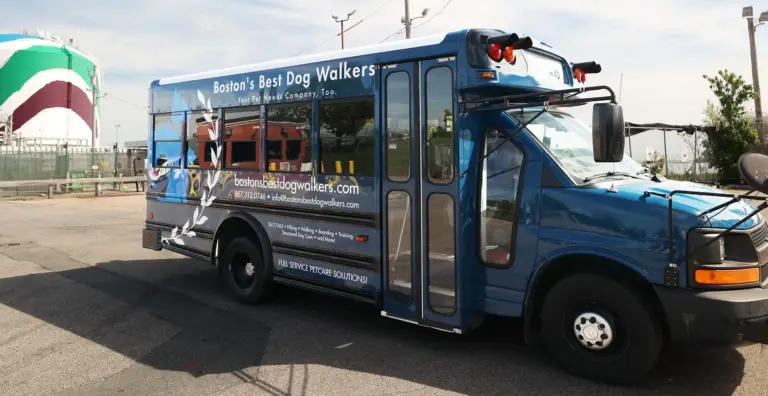
If you’re looking for professional support that reinforces training, conditioning, and real-world behavior, these services are designed to work together:
- Book a Bark Bus Hiking Adventure: Bark Bus Hiking offers structured, professionally guided hikes that build endurance, focus, and confidence through controlled trail exposure.
- Enroll in Train-and-Play Doggie Daycare: Structured Doggie Daycare (Train & Play) combines obedience reinforcement, social skills, and structured activity.
- Schedule Structured Solo Dog Walks: Solo Walks provide one-on-one, professionally guided walks that reinforce leash manners, impulse control, and calm behavior in real-world environments.
Together, these services create the consistency dogs need to move confidently, behave reliably, and enjoy every adventure safely.